
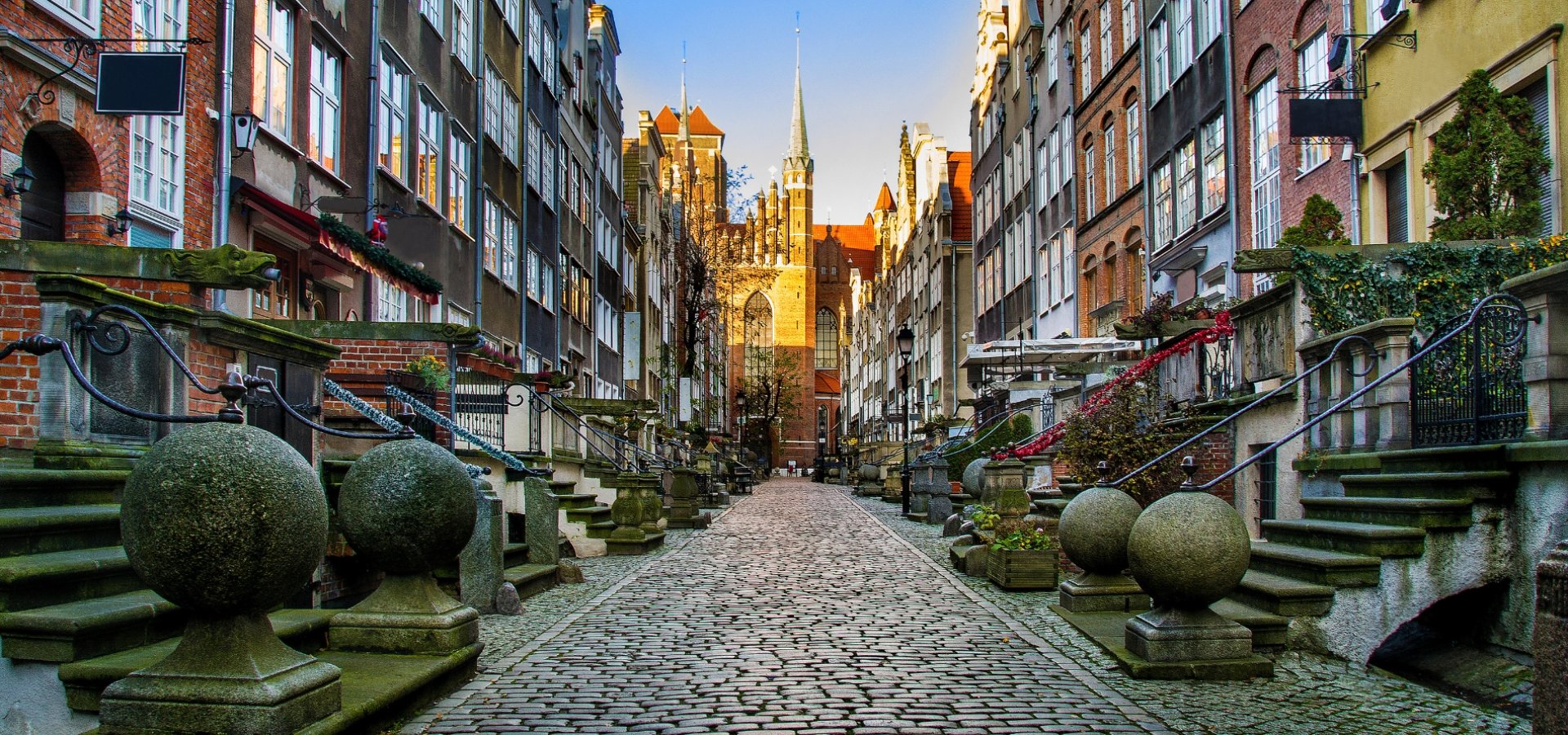
In the footsteps of Pomeranian history – the most important attractions you can't miss
Pomerania is not only picturesque beaches and the sound of Baltic waves, but also a fascinating land with a rich and turbulent history. For centuries, this region has been a meeting place for different cultures, political and religious influences. For history and tourism enthusiasts, Pomerania offers extraordinary attractions that will take you back in time. Here are the 12 most important places you cannot miss when planning your vacation in this part of Poland.
1. Teutonic Castle in Malbork
The largest Gothic castle in the world and a gem of medieval architecture. Built by the Teutonic Order in the 13th century, the castle was once the center of the order's military and administrative power. Today, it is a museum that offers an extraordinary journey through history, with exhibitions of weapons, sacred art, crafts, and the everyday life of the Teutonic Knights.
2. Gdańsk Old Town
Although heavily damaged during World War II, it has been carefully rebuilt, restoring it to its former glory. The Long Market with its distinctive Neptune Fountain, the Main Town Hall, Artus Court, and beautiful tenement houses are must-see attractions for every tourist. Gdańsk is also the birthplace of Solidarity—visit the European Solidarity Center to explore the contemporary history of Poland.
3. Wisłoujście Fortress in Gdańsk
A unique example of a 16th-century coastal fortress. For centuries, it served to defend Gdańsk against invasions from the sea. It is worth seeing the lighthouse from 1482 – one of the oldest structures of its kind in Europe – and learning about the history of naval battles.
4. Castle of the Pomeranian Dukes in Słupsk
The seat of the Gryfit dynasty – rulers of Western Pomerania. The building dates back to the 16th century and today houses the Museum of Central Pomerania. Particularly worth seeing is the unique collection of works by Witkacy – the largest in the world – and exhibitions devoted to the history of the region.
5. Open-air museum in Kluki
Located in the Słowiński National Park, this open-air museum presents the everyday life of the Słowińcy, the indigenous people of this region. Wooden huts, fishing tools, and craft workshops will transport you back to the 19th century. Every year, folklore events and traditional craft demonstrations are organized here.
6. Rozewie Lighthouse
Not only is it the oldest operating lighthouse in Poland, but it is also an important historical site associated with literature – Stefan Żeromski lived here for many years. While visiting the site, you will learn about the history of maritime navigation and the life of lighthouse keepers.
7. Hel – Coastal Defense Museum
Located in former World War II fortifications, the museum documents the battle for Hel and the defense of the coast in 1939. Here you will find bunkers, cannons, military exhibits, and interactive displays. It is a living history lesson and a testament to the heroism of Polish soldiers.
8. St. Mary's Church in Gdańsk
It is the largest brick church in Europe, capable of accommodating up to 25,000 worshippers. The interior impresses with its Gothic vaults, historic altars, and famous astronomical clock from the 15th century. Climbing the church tower rewards visitors with an unforgettable panoramic view of the city.
9. Stone Circles in Węsiory
A place with a mysterious, almost magical character. Megalithic circles from the time of the Gothic culture probably served ritual or burial purposes. Today, they are a fascinating destination for enthusiasts of archaeology and mysticism.
10. Castle in Bytów
Built by the Teutonic Knights in the 14th century, it was later taken over by the Pomeranian dukes. Today, it houses a museum, a library, and a hotel. Visiting the castle is a great opportunity to see what residential and defensive castles looked like in the Middle Ages.
11. Gdańsk Shipyard and Monument to the Fallen Shipyard Workers of 1970
The birthplace of modern democracy in Poland. It was here that the strike began in 1980, which led to the creation of Solidarity. Next to the shipyard gate is a symbolic monument in honor of the workers who died in 1970. A place full of emotion and patriotism.
12. Castle in Darłowo
The only Gothic seaside castle in Poland, which was the seat of King Eric I – ruler of Denmark, Sweden, and Norway. Today, it is a museum with historical exhibitions and a maritime atmosphere. The stories about Darłowo's pirate past are also extraordinary!
Summary
Pomerania is a real treasure for history lovers – a region where every town has its own unique history, and monuments tell stories of kings, knightly orders, and struggles for freedom. Combining scenic beauty with cultural richness, Pomerania offers a unique vacation experience that combines relaxation with discovering the past. Whether you are traveling with family, friends, or solo, Pomerania will delight you with its diversity and history, which lives on in every corner.